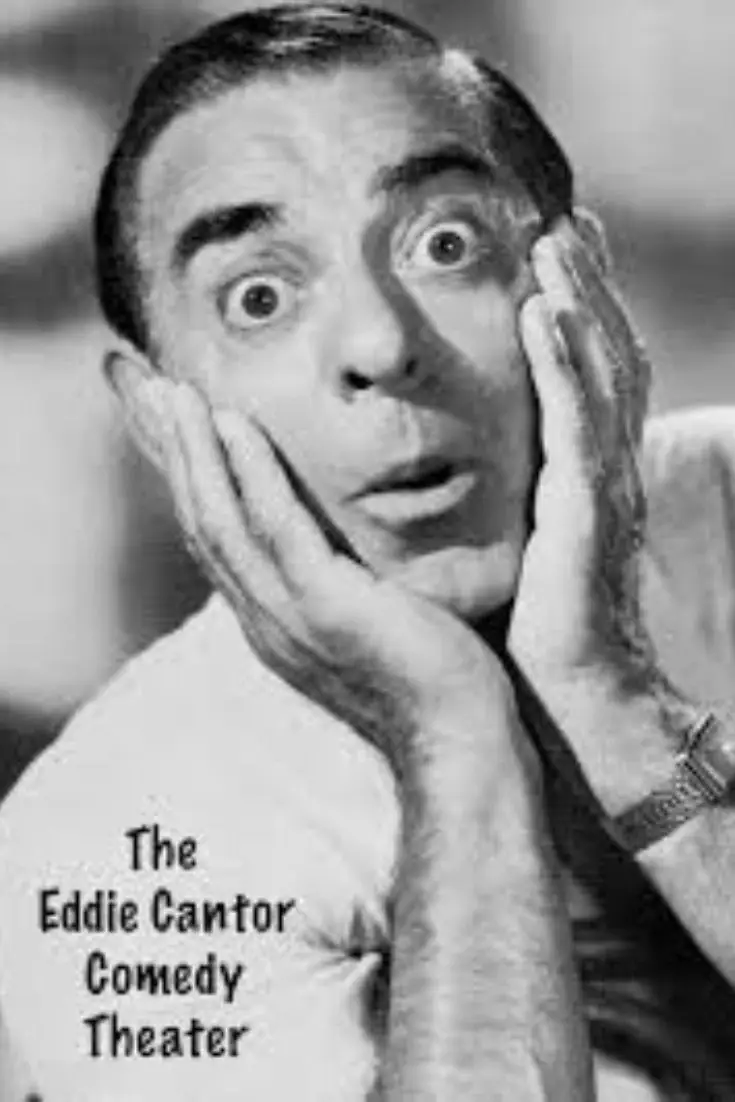
Early television comedy captures medium's founding experimentation. This series represents that founding era, showing how performers adapted established stage techniques to novel broadcast format. You're witnessing transition where entertainment tradition meets technological innovation through documented experiment.
What distinguishes early television from later production is constraint evidence. Technical limitations, format uncertainty, audience unfamiliarity – all constraints that mature production would eliminate create challenges that founding era must navigate. Understanding those constraints reveals television's development through documented struggle.
The sketch format demonstrates tradition adaptation. Stage variety shows employed similar structures; television needed to translate those structures through technical medium. That translation creates hybrid that neither pure stage nor mature television would produce independently.
What's interesting about host-centered format is personality integration. Presenter doesn't merely introduce segments; his presence creates continuity that fragmented presentation would lack. That unifying role demonstrates early format experimentation that mature production might standardize differently.
For television historians, this documents founding era practice. Early production established precedents that subsequent decades would follow, modify, or reject. Understanding those origins reveals why current television exists through documented foundation.
The production approach reflects era-specific constraints. Lighting, staging, camera work – all elements display period limitations that contemporary standards would not accept. Those visible limitations create historical authenticity that modernized reproduction would eliminate.
What's valuable about preserving early television is creating developmental reference. Television matured through identifiable stages; founding era documentation creates anchor for understanding that development. Those anchors enable historical analysis that lack of documentation would prevent.
For comedy development broadly, understanding medium transition teaches adaptation. Moving between platforms requires modification; seeing how stage performers adjusted for television teaches principles applicable to current platform shifts. Those principles enable appropriate change rather than inappropriate preservation.
Release Date: 1955-01-23 | Rating: 0.0/10 | Runtime: [] minutes
Genres: Unknown