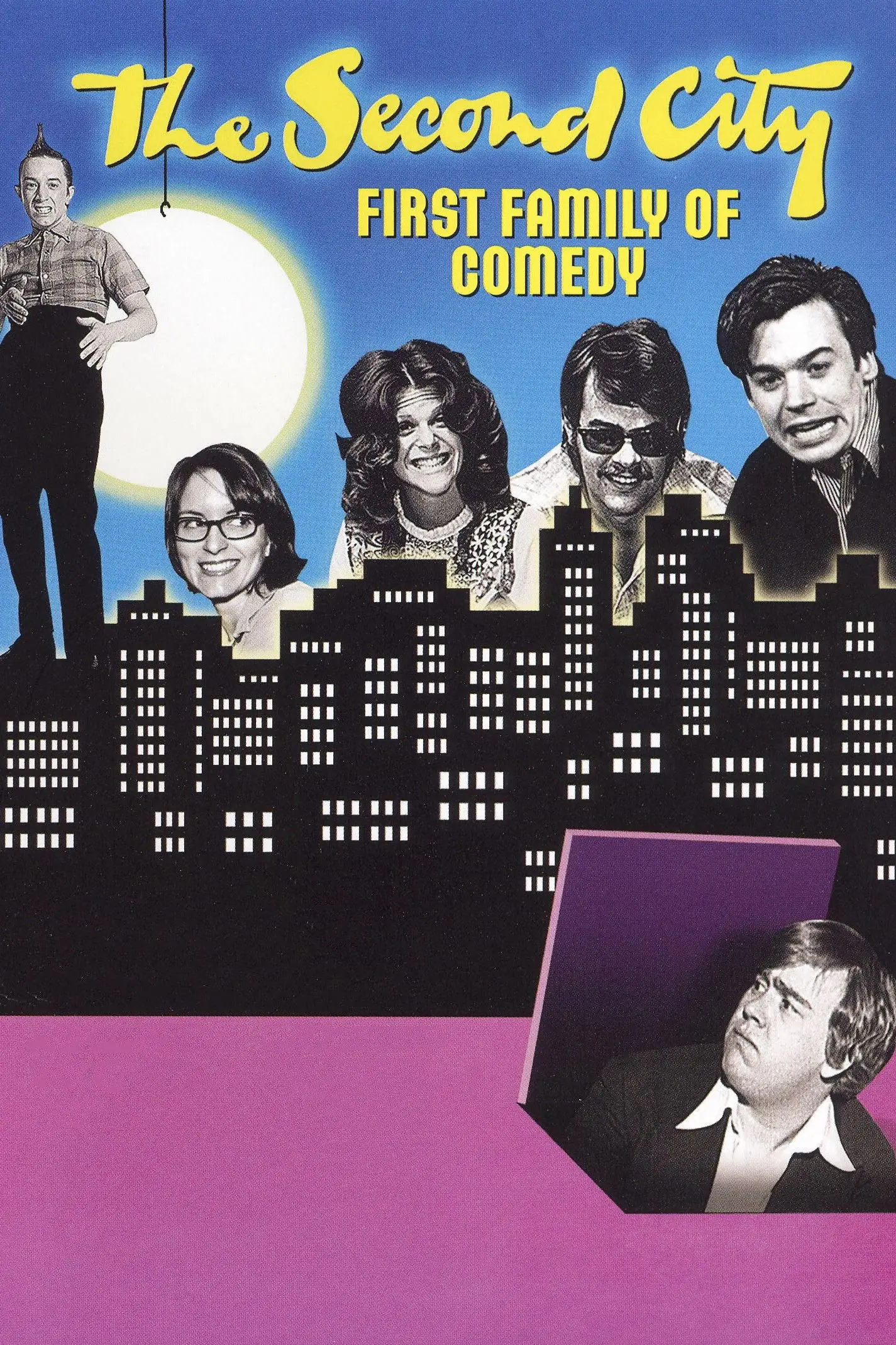
Tracing institutional history reveals how movements develop through specific catalysts. This troupe's evolution from local stage production to international influence demonstrates how concentrated talent, innovative approach, and strategic development create comedy institution rather than merely successful performers.
What makes this documentary valuable is comprehensive perspective. You're not getting celebratory highlights or promotional summary. Instead, you're exploring founding circumstances, developmental challenges, influential decisions, key personnel changes, and ongoing impact. That thoroughness creates authoritative history rather than superficial tribute.
The troupe structure itself created distinctive dynamics. Individual performers might develop personal styles, but collective environment shapes approach through collaboration, competition, and mutual influence. Understanding how that collaborative context operated reveals processes that isolated performers cannot replicate.
What's fascinating about institutional longevity is adaptation across generations. Original founders eventually departed; new members arrived; approaches evolved while maintaining continuity. Watching that transition reveals how organizations preserve identity through personnel change while preventing stagnation that rigid adherence to founding principles would create.
For comedy historians, this documents crucial development node. Many influential performers passed through this organization, carrying its approaches to subsequent projects. That dispersion created extensive influence network whose full scope requires tracing individual trajectories that originated here.
The documentary structure balances archival content with contemporary perspective. Historical footage demonstrates actual performances; current interviews provide reflection on significance. That combination creates layered understanding that pure archival presentation or exclusive contemporary commentary cannot achieve.
What's interesting about institutional evolution is seeing how external factors shape internal development. Market pressures, audience shifts, technological changes, competitive dynamics – all external circumstances influenced troupe's direction. Understanding those influences demonstrates how comedy responds to broader cultural forces.
For aspiring performers, this history offers model for collective development. Individual careers often struggle without institutional support. Seeing how organization provided structure for multiple successful trajectories suggests alternative paths that isolated effort cannot offer.
Release Date: 2006-01-01 | Rating: 0.0/10 | Runtime: [] minutes
Genres: Comedy, Documentary