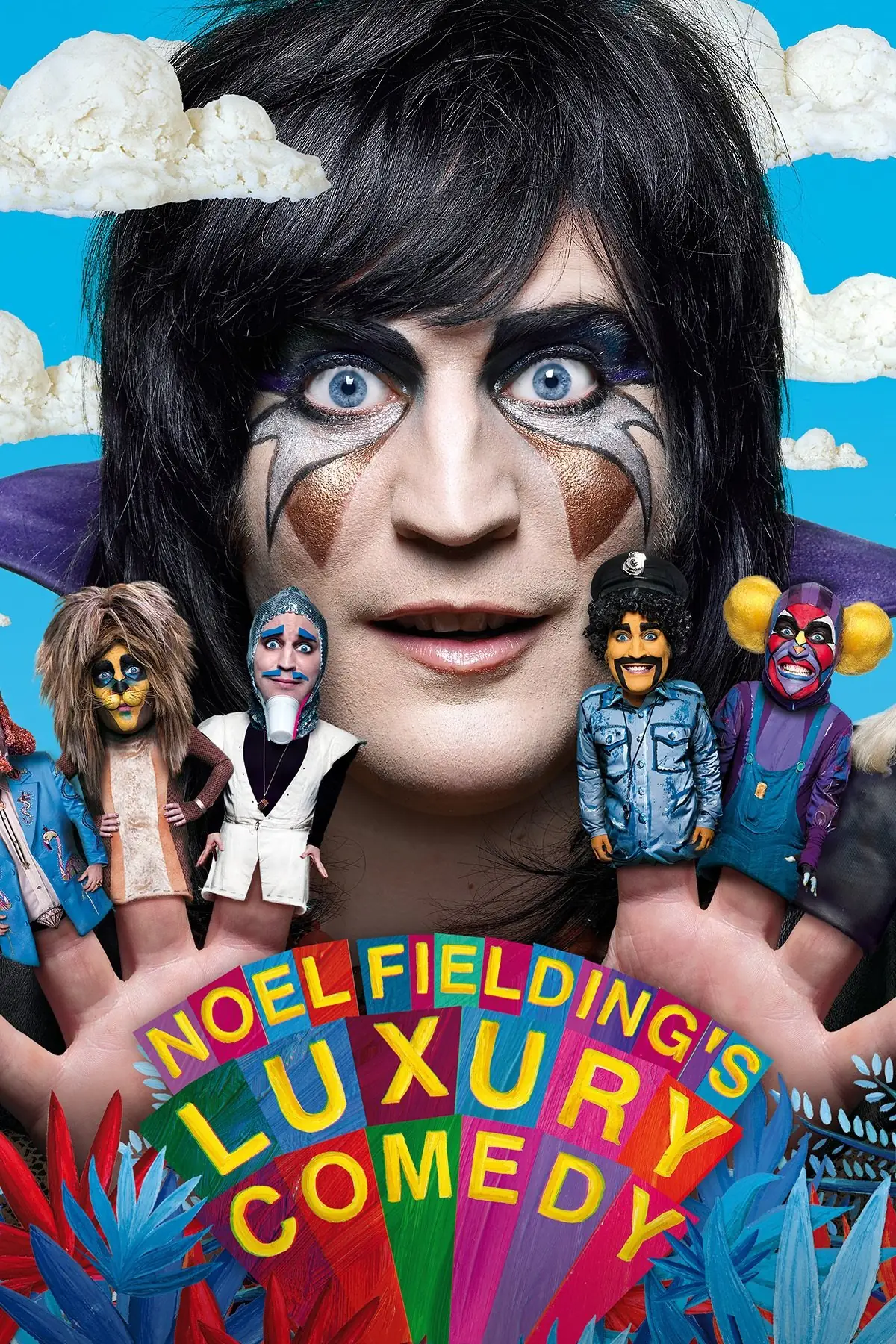
Experimental comedy often polarizes audiences because innovation requires deviation from comfortable patterns. This production embraces that risk, creating visual and narrative experiences that refuse conventional categorization. You're either captivated by strangeness or baffled by deviation – middle ground rarely exists.
What distinguishes this from typical character-based comedy is visual density. Every frame contains multiple elements competing for attention – bizarre imagery, unexpected animation, surreal color combinations, improbable character designs. That visual overload creates distinctive aesthetic that resembles nothing else on television.
The hybrid format mixing filmed and animated content creates unique texture. Neither medium dominates consistently; instead, transitions between styles create rhythm that prevents settling into comfortable viewing patterns. That structural instability maintains alertness through constant surprise.
What's fascinating about the musical component is how sound shapes visual interpretation. Music doesn't merely accompany images – it transforms meaning, creating emotional context that visuals alone couldn't establish. That audio-visual integration creates unified experience despite disparate component sources.
For viewers seeking novelty, this delivers abundance. Traditional sitcom structure creates predictable progression: setup, complication, resolution. This format abandons such architecture, pursuing logic that operates through association rather than narrative sequence. Following that associative thread requires active engagement that passive consumption cannot provide.
The psychedelic aesthetic recalls specific artistic movements while updating approach for contemporary audiences. Historical surrealism, 1960s experimental animation, contemporary digital manipulation – all influences blend into distinctive hybrid that references tradition while establishing modern identity.
What's interesting about character construction is how figures operate without requiring psychological consistency. Traditional character-based comedy develops personalities with coherent traits, predictable reactions, stable motivations. This production abandons such stability, allowing characters to transform, contradict themselves, or behave according to logic that shifts between scenes.
For comedy scholars, this demonstrates how television can challenge medium constraints. Broadcasting typically demands standardized content that audiences can understand without effort. This production rejects such accommodation, demanding active interpretation that television rarely requests. That demand reveals what television could achieve if commercial pressures encouraged experimentation.
Release Date: 2012-01-26 | Rating: 0.0/10 | Runtime: [] minutes
Genres: Comedy