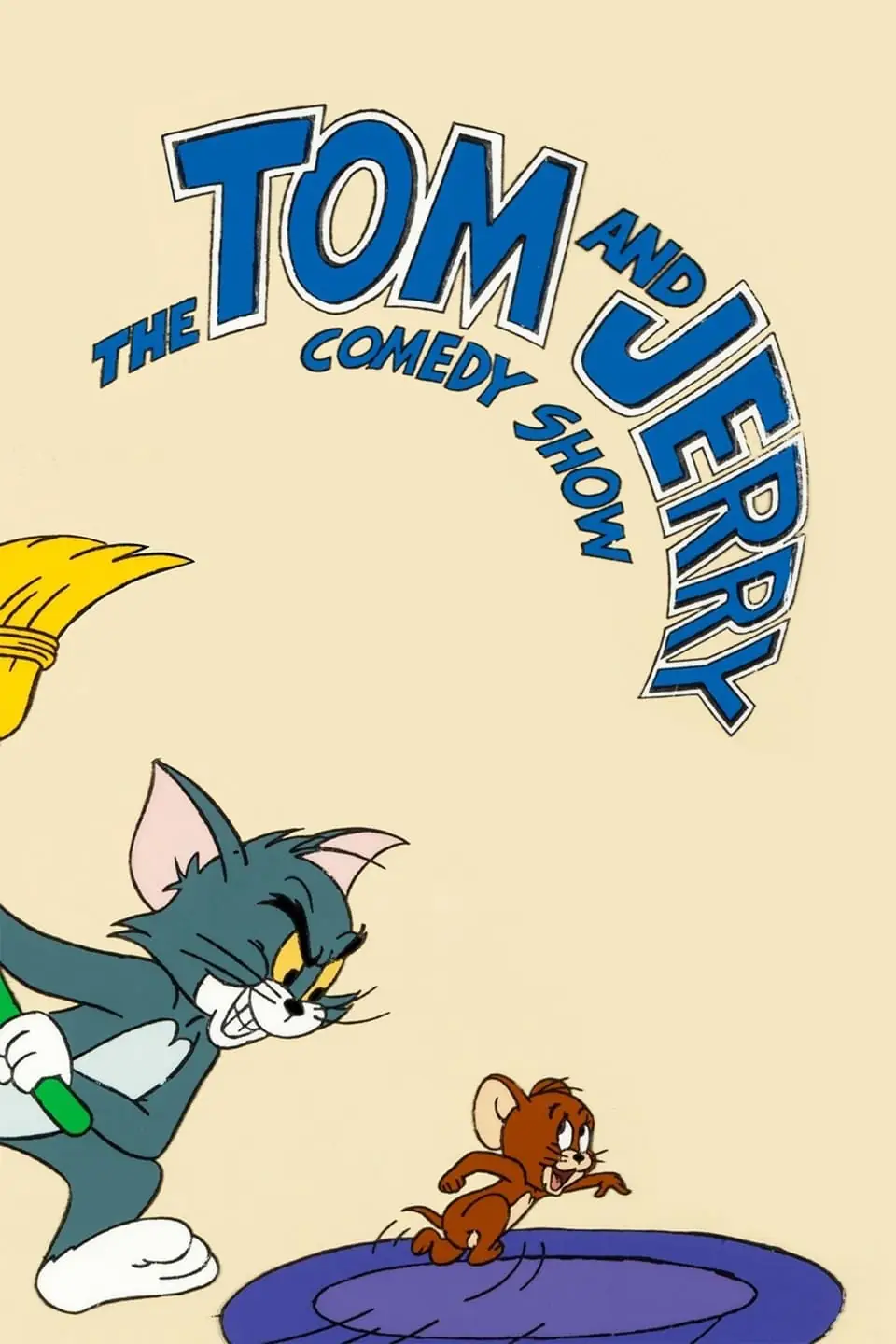
Classic characters returning through new productions creates interesting tensions between nostalgia and innovation. Audiences remember beloved properties through particular iterations, making new versions feel either faithful extensions or disappointing deviations. This revival navigates those expectations by maintaining recognizable elements while adapting to contemporary production capabilities.
What distinguishes this from earlier versions is animation technique evolution. Decades of technical development enabled visual execution that previous limitations prevented. Characters can move more fluidly, environments display greater detail, effects achieve complexity impossible before. Those technical improvements enhance presentation without altering fundamental premises.
The chase dynamics that defined originals remain central. That structural continuity preserves what audiences loved while allowing variation through specific scenarios. You're getting familiar satisfaction through novel arrangements – the formula works, but details refresh to prevent repetition that would bore viewers familiar with extensive archives.
What's interesting about this iteration's placement in history is capturing transitional period. Animation production shifted between eras, with different studios, different distribution methods, different audience expectations. This version bridges those changes, demonstrating how legacy properties adapt to shifting circumstances while maintaining identity.
For animation enthusiasts, comparing versions across decades reveals evolution clearly. Each iteration reflects its production era – available technology, prevailing styles, commercial pressures, audience preferences. Seeing how same characters transform across contexts illuminates how medium develops while specific content remains recognizable.
The variety structure beyond central chase dynamics expands entertainment value. Including supplementary segments prevents monotony while showcasing different animation approaches. That diversity maintains engagement across full episodes rather than concentrating interest in specific portions.
What's notable about voice casting is how performers interpret established characters. Previous versions created expectations about character sounds. New performers must match those expectations while bringing fresh energy, creating delicate balance between tradition and originality. Successful execution makes characters feel both familiar and revitalized.
For broader audiences, this demonstrates how entertainment properties persist through continuous reinvention. Nothing remains static across decades – even beloved classics require adaptation to survive. Watching adaptation process reveals how entertainment industry manages legacy assets, preserving value through update rather than abandonment.
Release Date: 1980-09-06 | Rating: 6.0/10 | Runtime: [] minutes
Genres: Animation, Comedy