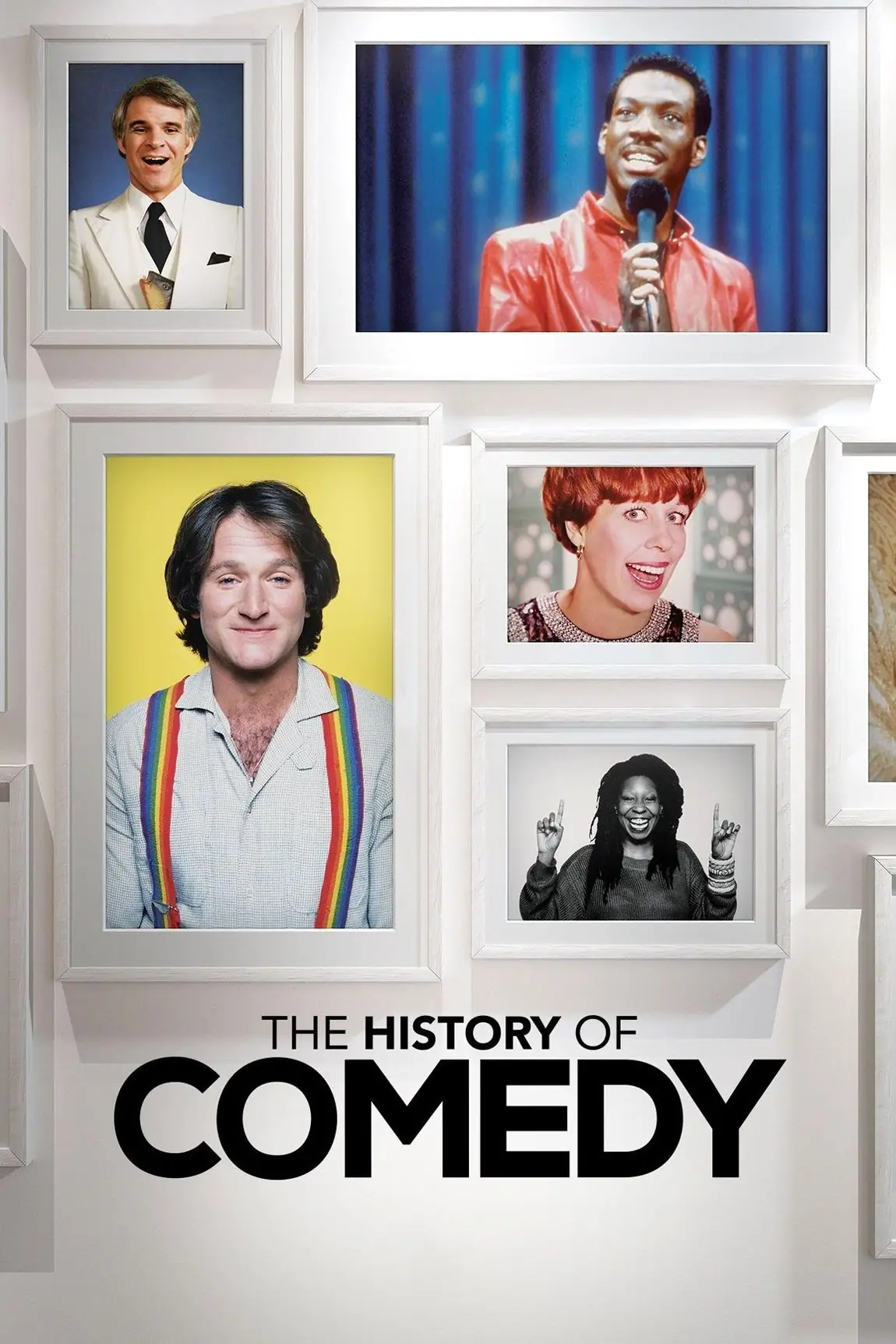
Understanding why humans laugh requires exploring beyond surface humor into psychological, social, and historical dimensions. This documentary approach tackles that complexity, tracing comedy's evolution through cultural shifts, technological changes, and societal transformations. You're not just watching funny moments – you're learning why they became funny in particular contexts.
What elevates this beyond typical documentary entertainment is analytical depth. Contributors don't merely reminisce about careers or recount anecdotes. They examine principles – timing's mechanics, premise construction's logic, delivery's psychology. That intellectual content teaches viewers to appreciate comedy's craft rather than simply consuming its products.
The historical perspective reveals patterns invisible to casual observation. Comedy that seemed revolutionary in one era appears derivative in hindsight. Styles that dominated briefly vanished permanently. What audiences considered acceptable transformed dramatically across decades. Seeing these shifts documented creates appreciation for how humor reflects cultural values rather than transcending them.
What's particularly insightful is examining social impact. Comedy doesn't exist in vacuum – it influences opinions, challenges assumptions, validates or attacks perspectives. Understanding that influence reveals why certain material succeeds while similar content fails. Context determines reception, and this series illuminates those contextual factors that audiences rarely recognize consciously.
For students of entertainment, this provides essential foundation. You're seeing how current comedy emerged from specific predecessors through identifiable transitions. That lineage knowledge enables deeper appreciation of contemporary work while preventing ignorance about historical debt that modern performers owe to earlier innovators.
The documentary structure balances entertainment with education effectively. Pure analysis might become tedious for general audiences. Pure humor might frustrate viewers seeking insight. By weaving laughs through examination, the series maintains engagement while delivering substance. That integration demonstrates documentary craft as sophisticated as the comedy it analyzes.
What's compelling about this exploration is showing how comedy serves social functions beyond amusement. Relief from tension, validation of experiences, challenging authority, bonding through shared perspective – these purposes matter even when performers pursue them unintentionally. Recognizing these functions changes how we interpret humor, seeing meaning in jokes we previously considered meaningless.
For comedy creators, this history offers both inspiration and caution. Seeing how predecessors innovated suggests possibilities for future development. Watching how styles faded warns against complacency. That dual perspective encourages creativity while demanding awareness, preventing both stagnation and reckless deviation.
Release Date: 2017-02-09 | Rating: 6.6/10 | Runtime: [45] minutes
Genres: Documentary, Comedy