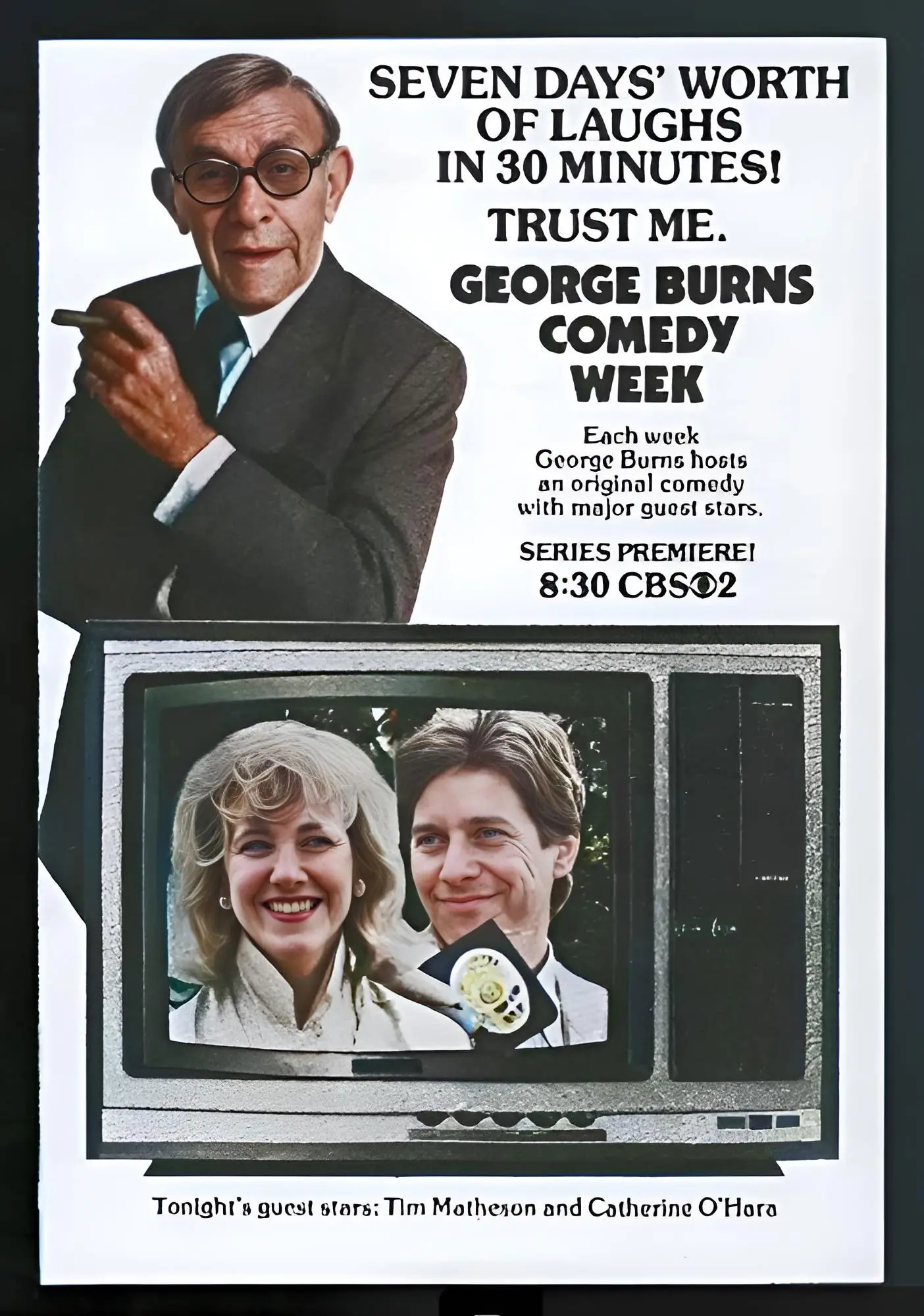
Veteran performers often fade into retirement, but this legend decided to remain active through hosting duties, becoming a bridge between comedy's past and present. That generational connection creates something special – audiences see living history while enjoying contemporary entertainment, all guided by someone who helped establish the medium's foundations.
The anthology format suits this approach perfectly. Each installment presents fresh content, new performers, different premises, all unified through the host's presence. You're getting variety without chaos, experimentation without confusion. That structure lets established acts and emerging talent share stages, creating contrast that demonstrates comedy's evolution.
What's fascinating is how the host's persona anchors episodes. When material varies wildly, viewers need consistency. Having a familiar, trusted presence introducing segments provides comfort while content shifts. That reliability allows producers to take risks with individual pieces, knowing the host's presence stabilizes audience experience.
The historical context matters too. This aired during television's expansion period when networks sought programming that could attract diverse demographics simultaneously. Comedy's broad appeal made it ideal for family viewing, and the host's reputation ensured quality that audiences trusted. That combination created appointment television where households gathered specifically for this program.
From a production standpoint, anthology structures demand remarkable organization. You're not building long-term character arcs or developing continuing narratives. Instead, you must create complete, satisfying experiences in each installment, then reset entirely for the next. That efficiency requirement forces writers to master compression – establishing premises quickly, delivering punchlines efficiently, resolving conflicts swiftly.
What makes this archive valuable for comedy enthusiasts is capturing transitional moments. Performers who'd soon dominate entertainment appear here in earlier stages, developing techniques that would later become signature styles. Watching talent develop across episodes reveals growth patterns that isolated appearances can't demonstrate.
The host's involvement signals something important about comedy's respect for tradition. Rather than pushing veterans aside to chase youth demographics, this production valued experience as asset rather than obstacle. That decision created opportunities for cross-generational appreciation where younger viewers learned about comedy history while enjoying current content.
For modern audiences, this offers insight into how entertainment evolved. Production techniques, performance styles, material approaches all differ from contemporary standards. Yet the fundamental goal remains identical – make audiences laugh through whatever means available. That continuity reveals comedy's enduring principles despite surface changes in presentation.
Release Date: 1985-09-18 | Rating: 0.0/10 | Runtime: [] minutes
Genres: Comedy